this week.
It’s been incredibly hectic at work the last few days (and being a touch under the weather earlier in the week didn’t help matters either), so I haven’t had a chance to write a proper blog post about recent good eats. Hopefully I’ll have a bit more time this weekend, inbetween planned meals at Kin Shop and Lotus of Siam. A lot of Thai food is in my near future!
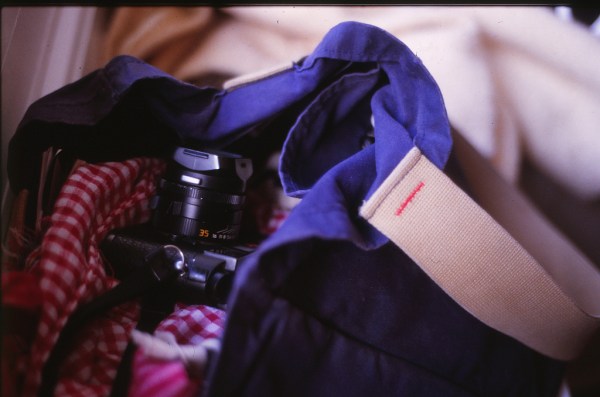
In the meanwhile, here’s my current favorite photo of the week: a peek into my bag, filled to the brim with two-week-old issues of the New Yorker and NYRB, my krama, and the glorious Leica. The bag itself is also pretty great — it’s made by Archival Clothing, my favorite new purveyors of all things austerely, but elegantly, sturdy.
To add to my Why yes, I do live in Brooklyn, how did you know?-ness, the nice fellows at FedEx will be delivering a shiny new MacBook Air to me on Monday. Yeah, yeah, laugh all you want. Boerum Hill all the way!
nikon vs. leica.


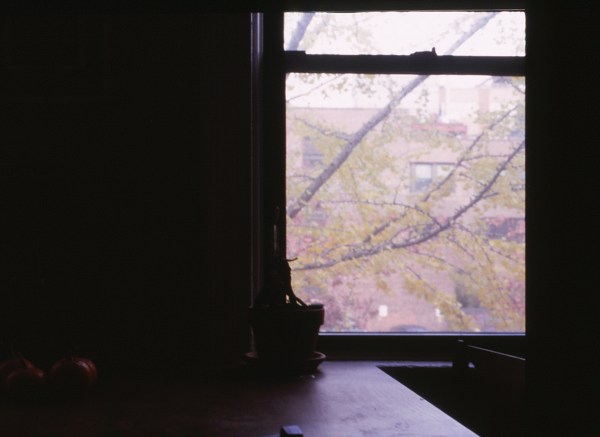
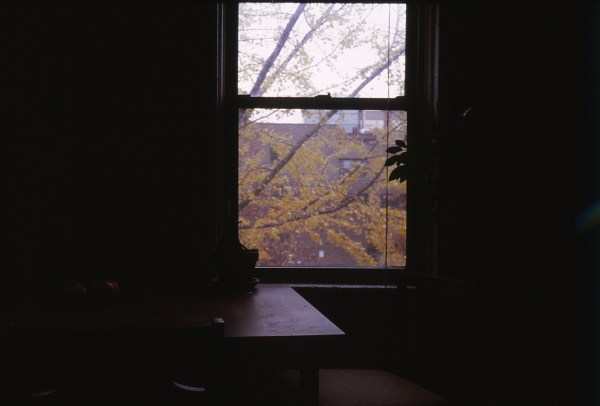
So I discovered this weekend that I’d actually been shooting the last 10 days or so with Kodak Elitechrome 200 in both my Nikon FE and the Leica M6. (I could’ve sworn that there was Portra 160nc in the Nikon!) And that I’d taken nearly identical shots with both cameras on several occasions. These aren’t the best photos, and even with a functioning Nikon light meter, my exposure is all over the place, but: can you tell Nikon glass from its Leica counterpart? I’m sort of desperately hoping that the answer is no, so that I stop myself from trying to justify the purchase of a $3500 camera and lens. Sadly, I suspect the answer is Lady, the Leica glass is far superior. Also, student loan debt, ahem.
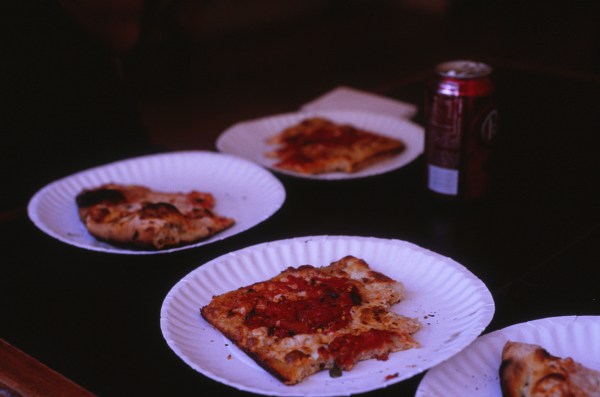

For what it’s worth:
-
First set: Leica, Nikon.
-
Second set: Nikon, Leica.
-
Third set: Nikon, Leica.
happy accidents.


I’ve been so focused on figuring out the workings of the borrowed Leica that I nearly forgot about what photography can sometimes be, if you just let the fates intervene. The photos here were taken originally by my friend Daniel, with slide film on my Holga 135. The Holga’s got a wonky rewind mechanism, so in the process of trying to get the finished roll out of the camera, I (in)advertently cracked the camera open, and thereby caused the ridiculous light leaks. Then we took the film to Walgreens, where the automatic photo machine misread the breaks between the negatives and created the diptychs you see here. And voila! — an entirely different beast than we could’ve ever imagined.
The film was cross-processed; this is a technique whereby you develop slide film in regular color negative chemicals. (Slide film normally has to be developed in E-6 process chemicals, while regular color film uses C-41 chemicals.) What results is often an insane color shift, from neutral tones to sometimes wild neon blue and green tones, or depending on the slide film, sometimes bright violet highlights. The slide film we used, Agfa Precisa 100, tends to end up on the bright blue side of things for outdoor shots, and dark neon green indoors when cross-processed, but I think with all of the shenanigans that occurred with this roll, just about all of our normal expectations went out the window. Which is all to say: sometimes the best photographs aren’t the ones you thought you were taking.

black and white and leica.
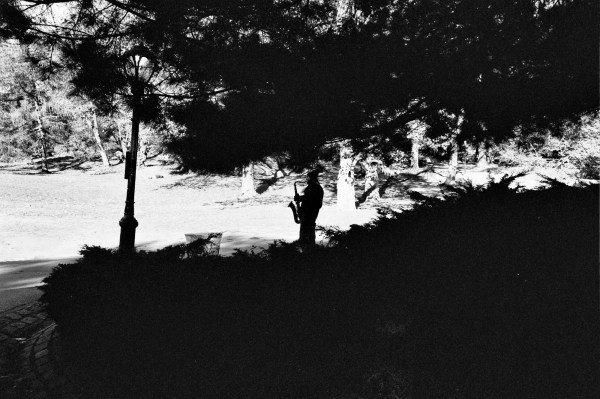
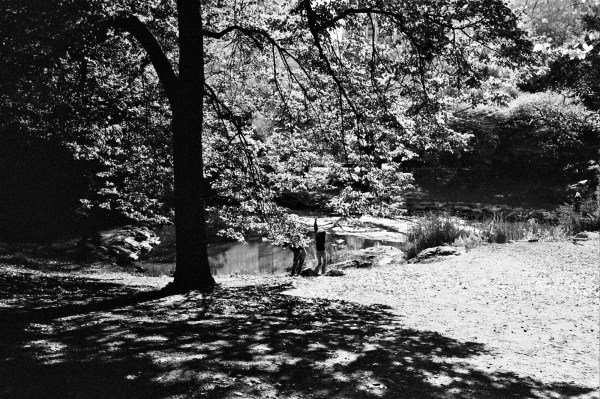
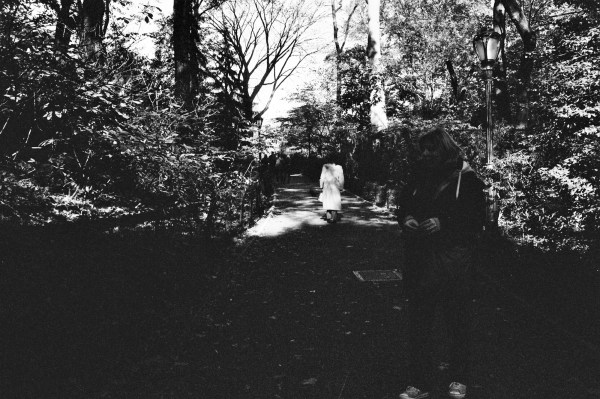
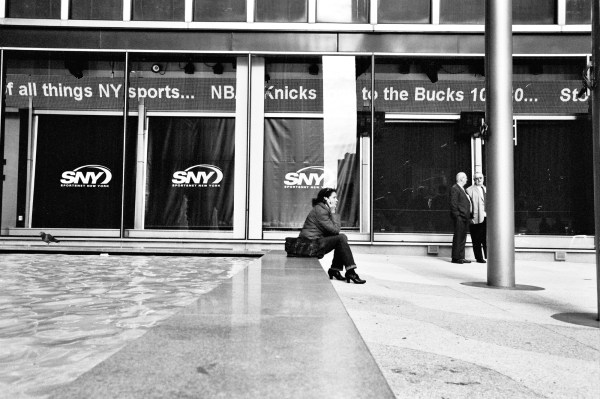
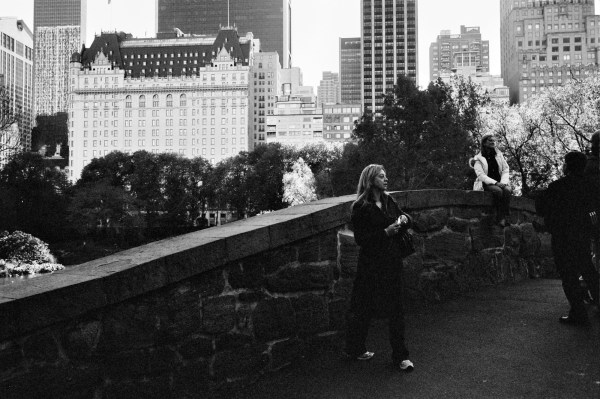
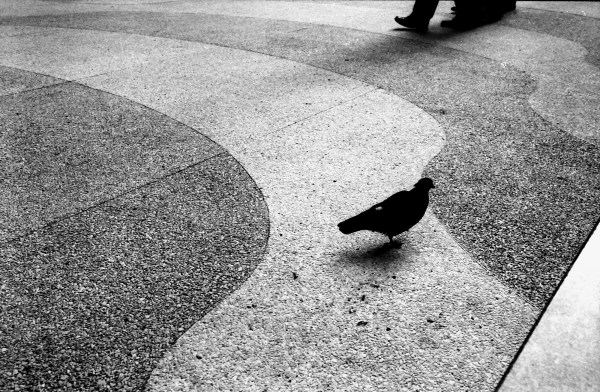
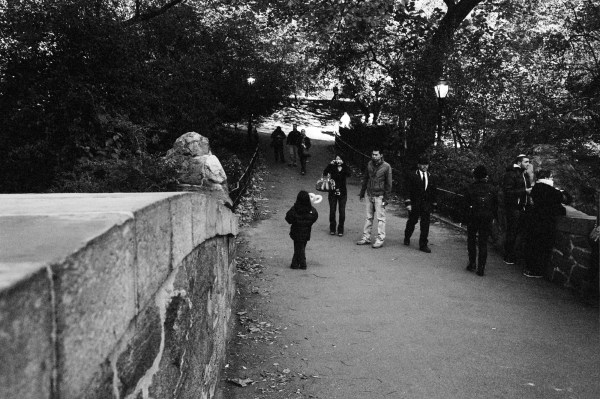
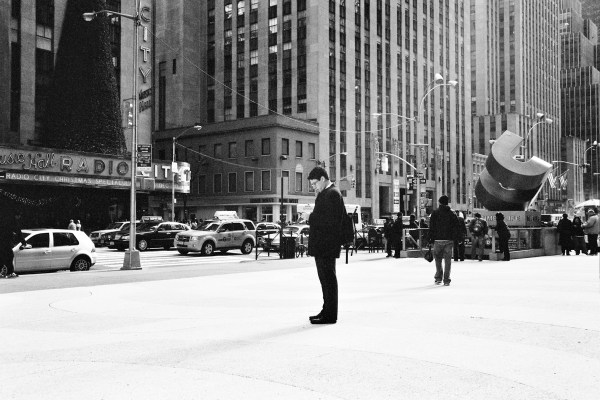
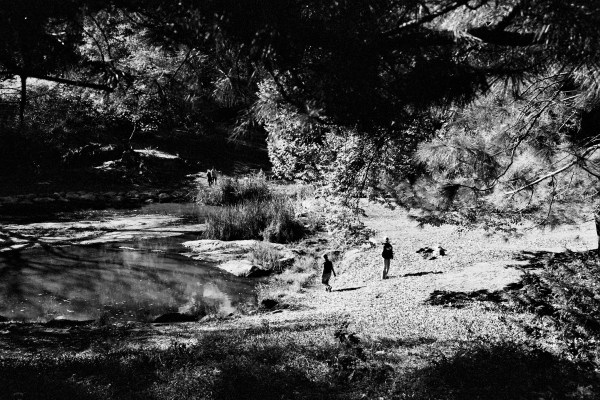
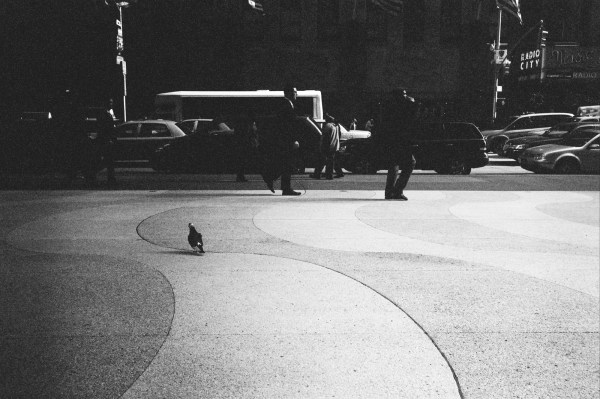
The good news: my focusing has improved markedly, especially given that I’m experimenting with more spontaneous shots. The less-good news: I still haven’t had a chance to replace the batteries in the Leica, so I’m totally winging it with the exposure. The bad news: I really shouldn’t take black and white photos around noon on incredibly sunny days, with film known for its high contrast (Fuji Neopan 400). Everything gets washed out funny, and the skies just become this brilliant white, and well, quite frankly, I don’t much like it.
That said — man, this Leica is incredible. The glass is really second to none.
berlin redux.
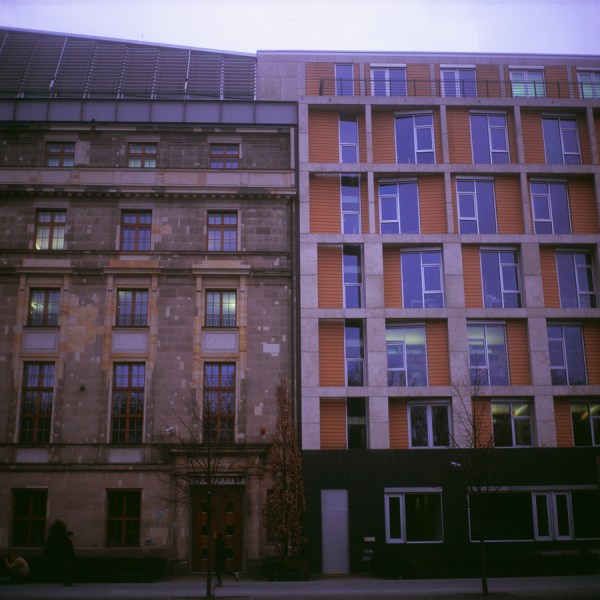
Design Oberver has a great post & slideshow today on the recent work by Frank Schirrmeister, a Berlin-based photographer. Schirrmeister took his large format out on the streets of Berlin in the early morning hours, before much of the city was out and about, and photographed the city the way he sees it — as less of an intersection of picturesque and monumental, or something immediately or conventionally “historical,” but rather with the following in mind:
As someone who was born in Berlin, I find it difficult to keep pace emotionally as the city reinvents itself with dizzying speed. I often have the feeling that my own city doesn’t belong to me anymore, but to the forces of the global economy. When photographing Berlin, I am constantly trying to scrutinize and to challenge the popular image of the city. I explore the town beyond the facade, delve into the deeper layers of the metropolis.
I took the above photo when I visited Berlin in February 2009, and even though it was my first (and only) visit there, I found the sense of transformation and revision incredibly palpable. It was, and is, a city trying to maintain its sense of history while at certain times and in particular spaces, wanting very much to move away from its past and reinvent itself as a sort of urban palimpsest for new national and global capital. Schirrmeister captures this post-1989 reality in really subtle, nearly imperceptible, ways (slideshow here): empty lots; the dull glow of a Burger King’s neon lights against the side of what can only be described as a pisspoor attempt as postmodern architecture; graffiti against the side of drab housing. It’s a remarkable representation of how an everyday Berlin collides with, and in many ways becomes, a more global Berlin — but also how that foray into early 21st century life is still incredibly banal, and surely never as monumental as how it often looks in photographs, or to non-native eyes.
from the black & white archives.
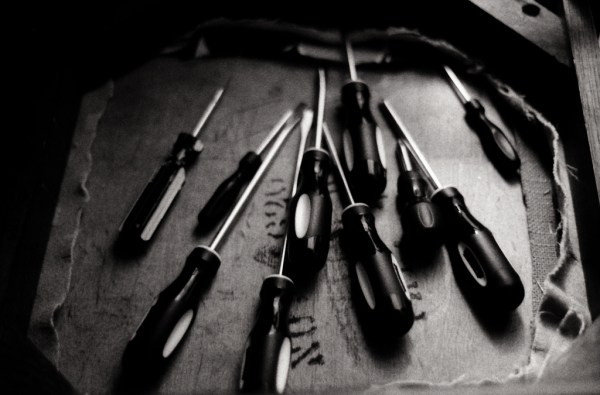
Nearly two years ago, I came home to my apartment one night and in the hallway there was this mise en scene: one of the dining table chairs was positioned upside down (presumably atop another dining table chair facing rightside up), with a cavalry of screwdrivers arranged on the wooden bottom of the seat. I’m guessing that one of my housemates was fixing a loose leg, but for a good day and a half this mini-scene remained untouched. At some point I came downstairs with the Nikon, which was loaded with Ilford Delta 3200 speed film (yes, 3200), and snapped a few pics. And then the next morning, the screwdrivers and upturned chair were back in their normal resting spots. I never did get the full backstory from my housemates as to what the repairs entailed.
I was going through my old black & white photos tonight, as I wait for my latest roll on the Leica to return from the lab — Fuji Neopan 400, probably my default black and white film now for the past twelve or thirteen years. It’s been a while since I’ve shot in b&w, and I wonder if I still have the touch. (I’m also figuring that perhaps the Leica will do half (more than half?) of the work, since Leica glass is so spectacularly sharp.) Fingers crossed!
only blurry focus can break your heart.
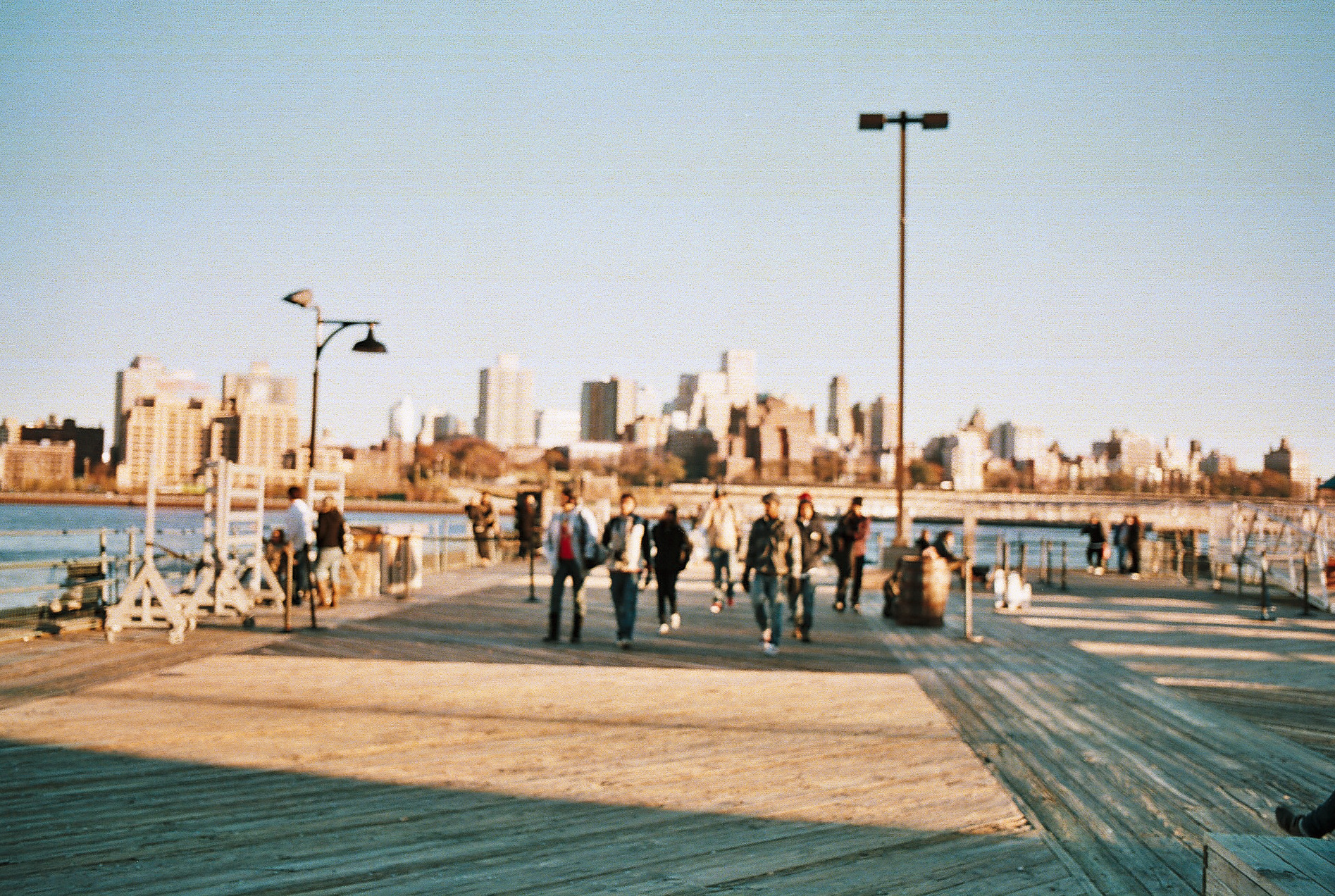
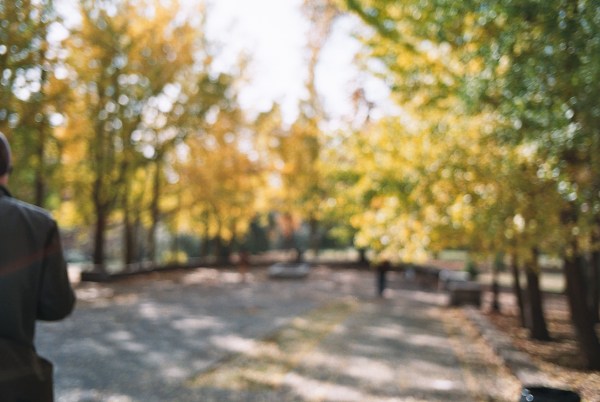

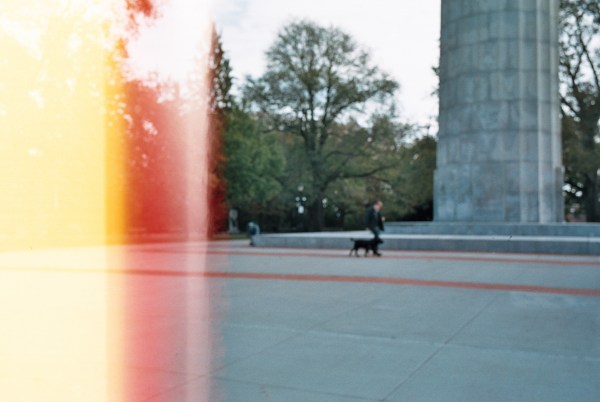


To everyone who asked, on-blog and off: this is what frantic rangefinder focusing looks like. I want to say that it all looks gorgeous, but having seen what Leica optics are capable of, I can’t help but write these guys off. The alternatives are so very …. potential’ed! Am working through a roll of Fuji Neopan 400 (b&w) now, and will report back as soon as the roll is developed. I’m hoping that the focusing has improved, at least to the point where I can tell the difference between 8 inches and 8 feet. (Oh, come now, let’s not be crass, yes?)
Anyhow, here you go: the Leica M6 outtakes.
test roll with the leica m6.
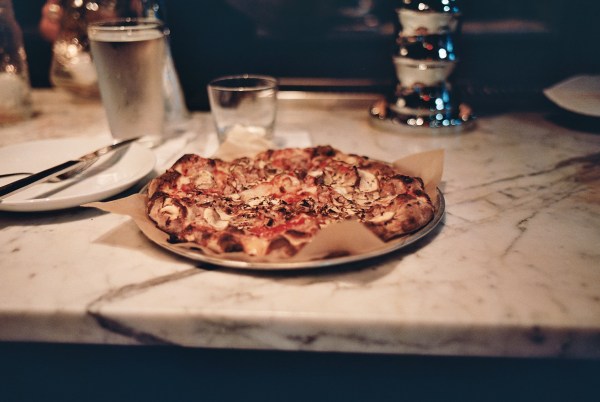
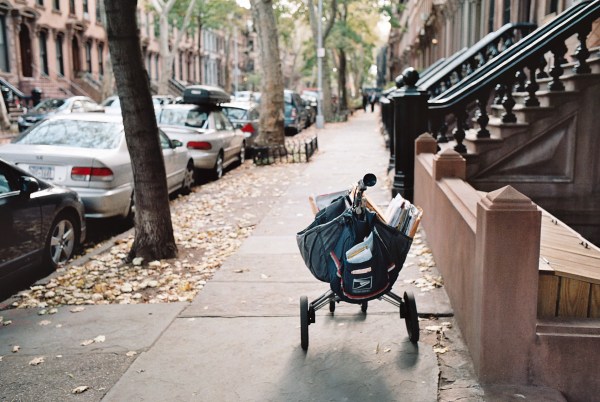
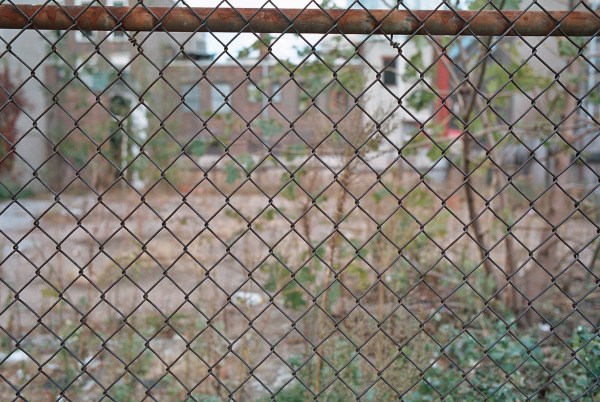
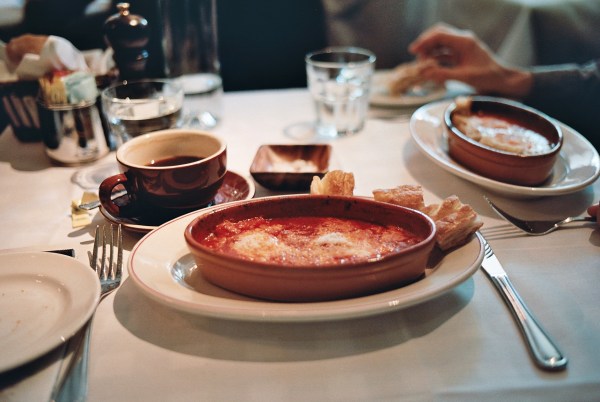
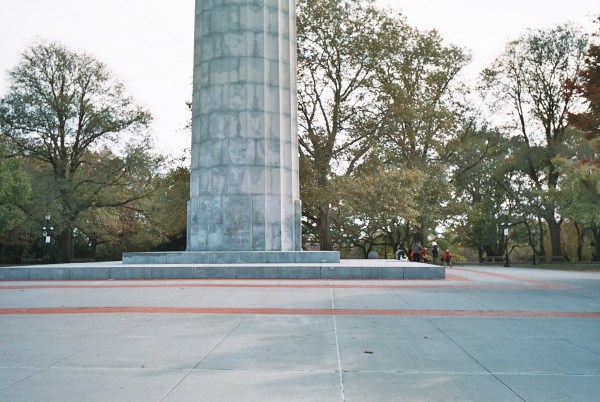
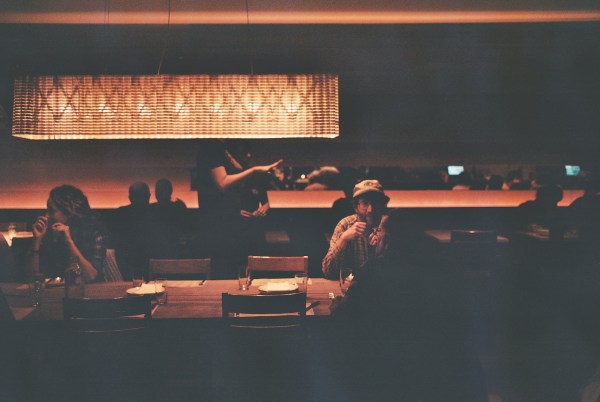
Well, hello.
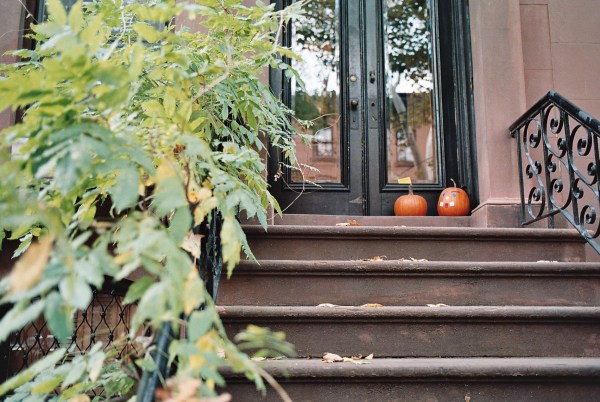
Just got the negatives back from my first test roll with a Leica M6, courtesy of my friend Peter. The camera’s got an amazing Summicron-M 35mm f/2.0 lens, and is built like a tank (a very small, compact one, anyway). I loaded my usual Portra 160NC into the camera on Saturday morning, and soon after realized that the batteries were running low, so I’d have to rely on (gulp) intuition to make sure everything was exposed properly. The Leica, as with all rangefinder cameras, has a different focusing mechanism than the Nikon or Pentax that I own, which are SLRs (you can read more about the basic structural differences here). I own a Minolta Hi-matic 7s, which is also a rangefinder, but I found the metering system on that camera to be much too cumbersome, so I never use the camera all that much. Turns out I should’ve taken it out for a spin anyway, just as practice for when a Leica came into my life. But despite some errant focusing moments, the photos turned out, miraculously, and for the most part, quite well, I think (though I think I’m erring generally on the slightly overexposed side; I’ll see if I can start self-correcting until I can get over to B&H for some batteries).
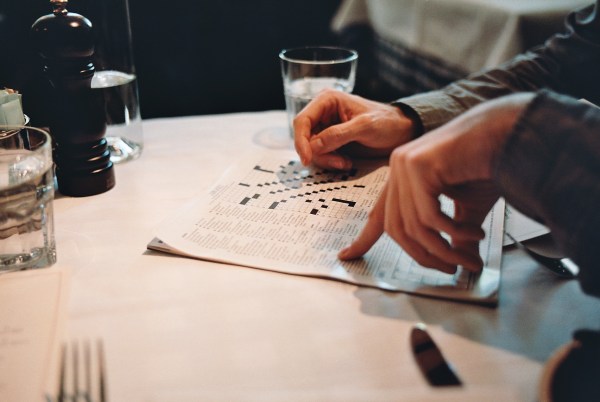
The photographs were taken in a 24-hour period this weekend, from a noontime rendezvous with Daniel, Andrew, and Patrick in Ft. Greene Park, to a wonderful solo dinner at Co. Pizza (where I had an amazing kale, roasted celeriac, and apple salad, and then a sausage, fennel, and mushroom pie — oh yes oh yes!), and finally Sunday brunch at Maialino with Mark, where we struggled with the crossword until our food arrived. Though the Leica has been used historically as a street photographer’s camera — there’s a great piece in the The Paris Review blog this week about Paul McDonough’s NYC shots from the 60s — I was feeling a wee bit too green with the focusing mechanism to take it out during my various sidewalk jaunts this weekend. But this week I’ll load it up with some black and white film, maybe get my courage up, and shoot some proper street scenes. More Leica soon.
Addendum: Going back through this post, and looking over the photos one more time, it occurs to me that maybe I shouldn’t be so worried about hyper-precise focusing with the Leica. I mean, I’ve got a very nice lens and camera at my disposal, but what the Leica has been known for, within the history of photography, is producing fairly impromptu shots, less studied and more immediately evocative, visceral. I’m going to think more on this as the next roll goes in. Thoughts, anyone?
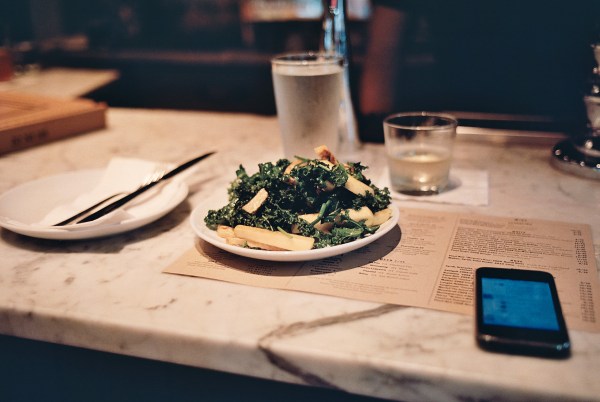
walton (2).


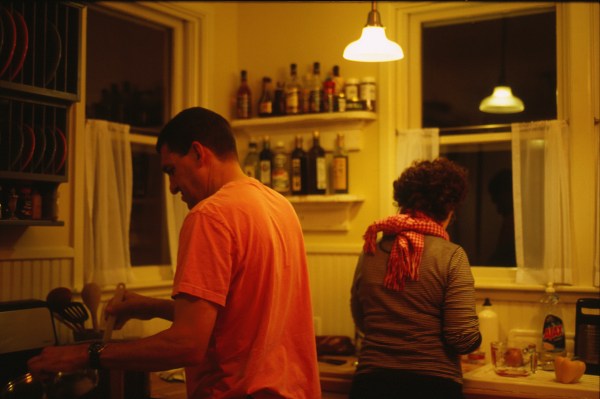




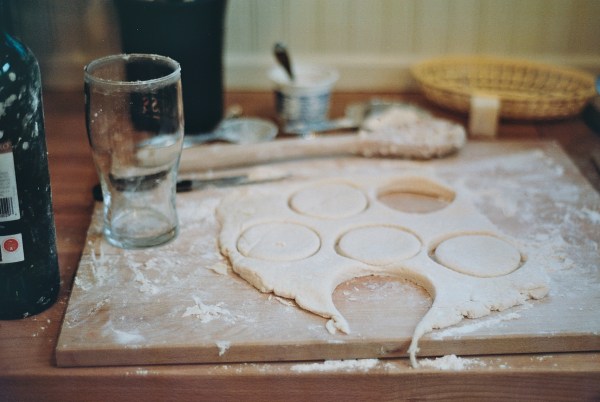


The rest of our trip to Walton involved, let’s see … food, more food, drink, haircut, sleep, more food, and a wee stomach bug that I really could have done without, but no matter. Shannon, Bernard, and I made an insane amount of food for three people: black bean chili with gruyere scones (I’d call them gougeres, but they didn’t really puff up according to plan) for dinner; then the next morning, Shannon and I made homemade biscuits and veggie gravy. So much gastronomic awesomemess (and goodness, having access to a properly-functioning, full-size oven is really something else!). I also managed to sleep the sleep of the just (and wowzers, complete quiet and no streetlights are another really something else!), something like ten or eleven solid hours. It was the perfect weekend away: the stillness you only dream of in New York City, great homemade food, and absolutely lovely company. And a haircut to boot!
novembers.

I was in a very different place last November. I was incredibly happy, and then I wasn’t very happy at all. The photo above was taken during the considerably less-happy time, on a bus to New Jersey. It’s sometimes hard to look at this photo and not think about the circumstances behind its inception; then again, it’s probably one of the best photos I’ve taken in the last five years, and I can’t help but be a wee bit pleased with myself.
Which is all to say this: I’ve had two very different songs in my head this past week, one very happy and one very sad. The sad one, Francoise Hardy’s Rendez-vous d’Automne, is an old favorite of mine — apparently a very old favorite, as I discovered a few years back that my mother used to sing it to me when I was a child. (Some people’s parents sing them sweet lullabies; mine sang me songs of longing and despair by hot French chanteuses.) It’s on a couple of playlists on my iPod, but I only realized this week that there’s an actual video, with lovely Francoise Hardy looking forlorn and ethereal, all at once. Even though the video itself is a bit boring, there’s something about it that helps to counteract the sheer heartbreak that abounds in the lyrics (which you can read here, if you speak French). Sometimes when I look at that bus photo, I think about this line — sur le gris bleu de la mer — and it just absolutely kills me.
But then I stumbled upon an entirely different sort of song, Rogue Wave’s rather stupendously sappy rendition of Buddy Holly’s already sappy Everyday. And when you come across this sort of thing on a blog post about a very sweet couple very sweetly eloping in San Francisco, complete with gauzy, dreamy video — well, for anyone who thinks that I’m all sad songs and nothing else, the fact that I can’t listen to the song or watch this elopement video without smiling and/or simultaneously tearing up should tell you how I am so very easily swayed/distracted/lulled into complete and utter sentimental cheeseballness. When I look at that bus photo and this song is playing, I find myself thinking Sweet Jesus, there is no way I’ll ever be that sad again. Not with this song in my life. See what I mean?
Which, really, is all to say this: November 2010 finds me with two very different sorts of songs playing on a loop in my head. AND I’m currently in temporary possession of a Leica M6, thanks to my friend Peter. I am most curious to see what sorts of photographic magic/madness unfolds.
 hong-an tran